If there is one place in Rome that confuses visitors before they even arrive, it is Vatican City. Not because it is difficult. Because nobody explains it clearly.
People hear “the Vatican” and imagine one entrance, one ticket, one visit, one queue, one place. Then they arrive and discover that Vatican City, St. Peter’s Square, St. Peter’s Basilica, the Vatican Museums, the Sistine Chapel, the Dome, and the Vatican Gardens all work differently.
Some parts are free. Some need tickets. Some are inside the Museums. Some are reached from a completely different entrance. Some rules are strict. Some queues are not ticket queues at all, but security lines. And if you do not understand this before you go, the Vatican can become one of the most frustrating days of your trip.
This guide is written for first-time visitors planning to visit Vatican City in 2026. It explains what needs a ticket, what is free, where the entrances are, what to wear, when to go, how long you need, what not to miss, and the mistakes that make the day harder than it needs to be.
What First-Time Visitors Need to Know About Vatican City
Vatican City is the smallest country in the world, but for visitors it feels like several different experiences packed into one place.
You can walk into St. Peter’s Square without a ticket. You do not need a passport stamp, a visa, or any special permission to enter the square. It feels like part of Rome, even though technically you are stepping into another state.
St. Peter’s Basilica is also free to enter, but you must pass through security. That security line can be short early in the morning or very long later in the day.
The Vatican Museums are different. They require a ticket, and this is where the Sistine Chapel is located. If you want to see Michelangelo’s ceiling and The Last Judgment, you need to enter through the Vatican Museums.
The Vatican Gardens are different again. You cannot simply walk into them. They require a reservation or guided access.
This is the first thing to understand: there is no single “Vatican ticket” that automatically covers everything in the way many visitors imagine.
The Vatican is not complicated once you separate it properly.
St. Peter’s Square: free
St. Peter’s Basilica: free, with security line
Vatican Museums: paid ticket required
Sistine Chapel: included inside the Vatican Museums route
St. Peter’s Dome: separate paid access
Vatican Gardens: reservation required
Once you understand that, everything becomes easier.
Do You Need Tickets to Enter Vatican City?
No, you do not need a ticket just to enter Vatican City or walk into St. Peter’s Square.
This is one of the biggest misunderstandings. Vatican City itself is not like a museum with one entrance gate. You can walk into St. Peter’s Square freely, take photos, look at the Basilica from outside, and experience the space without buying anything.
But if you want to visit the Vatican Museums, you need a ticket.
And if you want to see the Sistine Chapel, you also need a Vatican Museums ticket, because the Sistine Chapel is inside the Vatican Museums route.
St. Peter’s Basilica is free, but you must go through security. The line you see outside the Basilica is not usually a ticket line. It is a security line.
So the simple answer is this:
You do not need a ticket to enter Vatican City.
You do need a ticket for the Vatican Museums.
The Sistine Chapel is included with the Vatican Museums.
St. Peter’s Basilica is free, but the Dome climb is separate.
This is why so many visitors get confused. They book one thing and assume it covers another. Before you book anything, decide what you actually want to see.
Vatican Museums, Sistine Chapel and St. Peter’s Basilica: What Is Separate?
This is the most important part of the whole guide.
The Vatican Museums and St. Peter’s Basilica are not the same visit.
The Vatican Museums entrance is on Viale Vaticano. St. Peter’s Basilica is entered from St. Peter’s Square. These are not side-by-side entrances where you casually move from one to the other whenever you want.
Inside the Vatican Museums, you follow a long route through galleries, courtyards, corridors, and rooms. Near the end of that route, you reach the Sistine Chapel.
The Sistine Chapel is not a separate museum you can visit on its own. It is part of the Vatican Museums.
St. Peter’s Basilica is a separate church. It is free to enter, but it has its own security line and its own entrance from St. Peter’s Square.
This matters because many visitors plan the day badly. They think they can visit the Vatican Museums, pop into the Sistine Chapel, step straight into St. Peter’s Basilica, and continue easily. Sometimes guided tours may have access to a passage from the Sistine Chapel toward the Basilica, but independent visitors should not plan their day assuming they can use it.
For most people visiting independently, treat the Vatican Museums and St. Peter’s Basilica as two separate experiences.
If you have a timed Vatican Museums ticket, respect that time. Do not be standing in the Basilica security line 15 minutes before your museum entry. The entrances are in different places, and you need time to walk between them.
How to Get to Vatican City from Rome
The easiest way to reach Vatican City is by Metro Line A.
For the Vatican Museums, use Ottaviano station. From there, it is a short walk to the museum entrance on Viale Vaticano.
For St. Peter’s Square and St. Peter’s Basilica, Ottaviano still works, but depending on where you are coming from, you may also walk, take a bus, or use a taxi.
Do not simply type “Vatican” into your map and follow blindly. Decide first where you are going:
Vatican Museums entrance
St. Peter’s Square
St. Peter’s Basilica
Vatican Gardens meeting point
Dome entrance
These are not all the same practical arrival point.
If you are coming from the historic center, walking can be beautiful but longer than people expect. From Piazza Navona or the Pantheon area, it can be a pleasant walk across the river if you have time. From the Colosseum, it is much farther and not something I would do before a timed ticket unless you enjoy long walks and have plenty of margin.
A taxi can make sense early in the morning, especially if you have a very early Vatican Museums ticket or you are staying far from Metro Line A. The Vatican area is easy to reach, but you do not want to arrive stressed, late, or already tired before one of the longest museum visits in Rome.
Vatican Museums Tickets: What You Actually Need to Book
If you want to visit the Vatican Museums, book in advance.
This is not a small local museum where you can casually arrive in high season and expect everything to work smoothly. The Vatican Museums are one of the most visited museum complexes in the world, and the queue for people without advance tickets can become very long.
A Vatican Museums ticket gives you access to the Museums and the Sistine Chapel. You do not need a separate standard ticket for the Sistine Chapel.
What it does not automatically give you is a normal, separate visit to St. Peter’s Basilica. The Basilica is free, but it has its own security line. Some guided tours include a route that continues toward the Basilica, but if you are visiting independently, plan the Basilica separately.
The smartest thing is to book through the official Vatican Museums website when possible. Choose a time you can realistically make. Do not book a Vatican Museums entry too close to another timed attraction in Rome. The visit takes energy, and the route can be slow, especially when crowded.
For a first visit, allow at least 2.5 to 3 hours for the Vatican Museums and Sistine Chapel. If you want to go slowly, see the major galleries, and not feel pushed through the crowd, give yourself more time.
Where to Buy Vatican Museums Tickets Safely
This is one of the most important things to understand before visiting the Vatican: not every website selling Vatican tickets is official.
The safest place to buy Vatican Museums tickets is the official Vatican Museums ticket portal. The Vatican Museums themselves state that the only official website for purchasing tickets online is tickets.museivaticani.va. They also warn visitors to be careful with websites that use similar-looking domains or charge much higher prices.
This matters because many visitors search “Vatican tickets” on Google, click the first page that looks official, and only later realize they booked through a reseller. Sometimes that is not a problem. Some resellers are legitimate. But sometimes people pay much more than the official price, receive unclear instructions, get a booking that is not what they expected, or have a tour cancelled close to the visit.
The problem is that many reseller websites look official. They use words like “Vatican,” “official,” “museum,” “skip the line,” or “tickets” in the domain or page title. A visitor in a hurry can easily think they are buying directly from the Vatican when they are not.
Before you buy, check the website carefully.
The official Vatican Museums ticket portal is:
If you are not on that website, you are not buying directly from the Vatican Museums.
That does not automatically mean the website is a scam, but it does mean you should slow down and read carefully. Check who the seller is, what exactly is included, whether it is an entry ticket or a guided tour, what the cancellation policy says, and whether the time you are choosing is actually confirmed.
If the official tickets are sold out, do not panic and buy from the first website you see. Check the official site again at different times, because availability can sometimes change. Then, if you decide to use a third-party seller, use a known platform or a properly licensed/authorized operator, and read the most recent reviews, not only the star rating.
The Vatican Museums official website also includes a section for accredited tour operators. If a company claims to be an official partner or authorized operator, check that information through the Vatican Museums’ own official pages, not only through the company’s marketing.
Be especially careful with:
Websites that look official but are not the Vatican Museums
Prices much higher than the official ticket price without a clear reason
Vague “skip-the-line” promises that do not explain what is included
Listings that do not clearly say whether you are buying a ticket or a guided tour
Sellers that say confirmation will arrive later, but do not guarantee the exact time
Very cheap offers that look too good to be true
Pages with no clear company name, address, cancellation policy, or customer support
Tours that may be cancelled if the operator does not secure enough participants
Also remember this: “skip the line” usually means skipping the ticket-purchase line, not skipping security. Security checks still apply. Nobody can honestly promise that you will walk into the Vatican Museums or St. Peter’s Basilica with no checks at all.
For most first-time visitors, the best order is simple:
First, check the official Vatican Museums ticket portal.
If your date and time are available, book there.
If it is sold out, check again later before rushing to resellers.
If you use a third party, choose carefully and read exactly what you are buying.
If someone claims to be authorized, verify it through the Vatican Museums’ official accredited operator information.
A Vatican visit is too important to leave to a random ticket page that only looks official. Spend five extra minutes checking before you pay. It can save you money, stress, and a very unpleasant surprise at the entrance.
Do Vatican Museums Tickets Include the Sistine Chapel?
Yes. The Sistine Chapel is included with the Vatican Museums ticket.
This is one of the questions people ask again and again because the Sistine Chapel feels like a separate attraction. It is not visited separately by standard visitors. You reach it as part of the Vatican Museums route.
In most visits, the Sistine Chapel comes toward the end of the route. That means you should not rush through the Museums thinking the Sistine Chapel is right after the entrance. You will pass galleries, corridors, rooms, and collections before arriving there.
If the Sistine Chapel is the main reason you are visiting, still prepare for the full museum route. Wear comfortable shoes, do not carry heavy bags, and do not plan another timed booking too close afterward.
Do Vatican Museums Tickets Include St. Peter’s Basilica?
Not in the way many visitors imagine.
The Vatican Museums ticket includes the Museums and Sistine Chapel. St. Peter’s Basilica is a separate site with free entry and security screening.
This is where people make mistakes. They think, “I bought a Vatican ticket, so I can visit everything.” But St. Peter’s Basilica does not work like another room inside the Museums.
If you are on a guided tour, check exactly what is included. Some tours include the Basilica after the Museums. Some do not. Some may depend on access rules that can change for religious events, crowd control, or Vatican decisions.
If you are visiting independently, plan the Basilica as a separate visit. Either go early in the morning before the Museums if your museum ticket is later, or visit the Basilica after the Museums if you still have energy and time.
The worst plan is booking the Museums and then assuming the Basilica will be quick. Sometimes it is. Sometimes the security line stretches across the square.
St. Peter’s Basilica: Free Entry, Security Line and Dome Tickets
St. Peter’s Basilica is free to enter.
That surprises many visitors because it is one of the most important churches in the world. But free does not mean instant. You still need to pass through security, and the line can be very long.
Early morning is usually the best time to visit. Later in the day, especially in spring, summer, weekends, and around religious events, the line can stretch across St. Peter’s Square. It often moves, but it can still take time.
Inside the Basilica, do not rush. This is not just a box to tick after the Museums. It is one of the most important churches in Christianity and one of the most impressive interiors in Rome.
Do not miss Michelangelo’s Pietà, Bernini’s Baldacchino, the enormous scale of the nave, and the atmosphere of the side chapels. Even if you are not religious, the building has a weight that is difficult to explain until you are inside.
The Dome climb is separate. If you want the view from the top of St. Peter’s Dome, you need to pay for Dome access. You can usually take an elevator partway, but there are still many steps to climb. The final section is narrow, slanted, and not ideal if you are claustrophobic or uncomfortable in tight spaces.
The view is beautiful, but do it only if you have the time and energy. Vatican day is already long.
Vatican Dress Code: What You Can and Cannot Wear
The Vatican dress code is real.
This is not one of those rules that exists online but nobody checks. It can be enforced at the Vatican Museums, Sistine Chapel, St. Peter’s Basilica, and Vatican Gardens.
The basic rule is simple: shoulders and knees should be covered.
Avoid sleeveless tops, low-cut tops, mini skirts, short shorts, and clothing that is too revealing. Hats should be removed in sacred spaces. If you are visiting in summer, this is where many people get caught because Rome is hot and people dress for the weather, then arrive at the Vatican dressed for a beach town.
Bring a light scarf, thin shirt, or cover-up if needed. But do not rely on a tiny scarf to solve everything if your whole outfit clearly does not respect the rules. The safest approach is to dress properly from the start.
Good options in summer:
Light linen trousers
Long skirt
Midi dress
T-shirt with covered shoulders
Light shirt over a sleeveless top
Comfortable shoes
The dress code is not about fashion. It is about entering religious spaces. You may be visiting as a tourist, but these are still sacred places.
Sistine Chapel Rules: Photos, Silence and What to Expect
The Sistine Chapel is inside the Vatican Museums, and it is usually one of the final moments of the route.
By the time you arrive, you may already be tired. The Museums are large, the route is long, and the crowds can be heavy. This is why I always tell people not to rush the whole visit and then arrive at the Sistine Chapel exhausted.
Inside the Sistine Chapel, photography and video are not allowed. No photos, no videos, no quick phone shot, no “just one.” Guards actively remind visitors to put phones away.
Silence is also expected. The chapel is still a sacred space and is used for important religious events, including the papal conclave. You will often hear guards asking people to be quiet.
This can surprise visitors because the rest of the Vatican Museums feel like a museum, but the Sistine Chapel feels different. The space is crowded, but the rules are stricter.
When you enter, do not only look for The Creation of Adam. Yes, it is the image everyone knows, but the entire ceiling tells the story of Genesis. Behind the altar is The Last Judgment, painted by Michelangelo years after the ceiling.
Take a moment. Let your eyes adjust. Look slowly. The Sistine Chapel is not a place where you need a photo. It is a place where you need a few minutes of attention.
Best Time to Visit the Vatican
The best time to visit the Vatican depends on what you are visiting.
For St. Peter’s Basilica, early morning is usually best. The security line is often shorter, the square is calmer, and the Basilica feels more peaceful before the day crowds arrive.
For the Vatican Museums, early entry can help, but it does not guarantee an empty experience. The Museums are popular all year, and even morning slots can be busy in high season. Still, booking in advance and choosing an earlier time is usually better than arriving late without a plan.
Tuesday to Thursday are often better than Saturdays or Mondays. Saturdays can be very busy. Mondays can also be crowded because many museums in Rome are closed, so people choose the Vatican.
Late afternoon can sometimes feel more manageable, especially if evening openings are available during your travel period. But always check current opening hours before planning around this.
Avoid building your Vatican visit around the middle of the day in July or August if you dislike crowds and heat. The combination of summer temperatures, long museum routes, and packed galleries can become tiring very quickly.
The simple rule is this: visit the Basilica early, book the Museums in advance, and do not plan the Vatican as if it is a quick two-hour stop.
Free Entry on the Last Sunday of the Month
The Vatican Museums are usually free on the last Sunday of the month, when the calendar allows it.
This sounds wonderful, and for some travelers it is. If you are on a tight budget, free entry can be a real help.
But it is not the best choice for everyone.
Free Sunday usually means more people, longer lines, shorter opening hours, and no normal timed booking system. If you are imagining a calm, slow visit to the Museums and Sistine Chapel, this is probably not the day to choose.
It can work if you are patient, flexible, and willing to arrive very early. It is not ideal if you are traveling with small children, older relatives, limited time, or if this is your once-in-a-lifetime Vatican visit.
Also remember: free entry is for the Vatican Museums route. It does not mean every special Vatican experience is free or available. The Vatican Gardens, special tours, and other reserved experiences have their own rules.
If saving money matters most, consider it. If comfort and time matter more, book a normal ticket on another day.
Can You Bring Bags or Luggage to the Vatican?
Travel light on Vatican day.
Small bags are usually fine, but large backpacks, suitcases, luggage, and bulky items may need to be left in the cloakroom. The Vatican Museums have cloakroom facilities, but this creates an important problem many visitors do not think about.
If you leave something in the Vatican Museums cloakroom and then continue your day toward St. Peter’s Basilica or outside the Museums route, getting back to collect it may not be simple.
This matters especially if you are trying to visit the Museums, Sistine Chapel, and Basilica in one flow.
Do not arrive at the Vatican with airport luggage unless you have checked the rules and have a clear plan. Do not bring a giant backpack because you are changing hotels later. Do not carry things you do not need.
Bring only what you can comfortably keep with you:
Small bag
Water if allowed/appropriate for your plan
Phone
Wallet
Passport or ID
Light cover-up for dress code
Earbuds if using an audio guide
Power bank if your phone battery is weak
The Vatican Museums are already tiring. Carrying too much makes the whole visit worse.
Should You Visit St. Peter’s Basilica Before or After the Vatican Museums?
This depends on your ticket time.
If you have an early Vatican Museums entry, go to the Museums first. Do not risk missing your timed slot because you got stuck in the Basilica security line.
If your Vatican Museums ticket is later in the day, visiting St. Peter’s Basilica first can make sense. Go early, pass security before the biggest crowds, visit the Basilica, maybe climb the Dome if you have time, then walk to the Vatican Museums entrance.
But leave enough time between the two. The Basilica and Museums entrances are not the same. You need time to exit, walk around, find the correct entrance, pass checks, and arrive before your timed entry.
Do not plan like this:
9:00 St. Peter’s Basilica
10:00 Vatican Museums ticket
That may look possible on a map, but it can become stressful fast if the Basilica line is long.
A better plan is:
Early morning Basilica
Late morning or early afternoon Museums
Or:
Morning Museums
Basilica afterward, if you still have time and energy
The main thing is not the order. The main thing is giving yourself enough space between them.
Guided Tour or Self-Guided Visit?
You do not need a tour to visit Vatican City.
You can visit independently, book your own Vatican Museums ticket, follow the route, enter the Sistine Chapel, and visit St. Peter’s Basilica separately.
But a guided tour can make sense for some visitors.
A tour is useful if it is your first time, if you want to understand what you are seeing, if large museums overwhelm you, or if you do not want to spend hours reading before your visit. The Vatican Museums are enormous, and without context, many people walk through room after room without really knowing what matters.
A self-guided visit is better if you prefer moving at your own pace, want to save money, dislike groups, or already know what you want to see.
There is no right answer for everyone.
The honest answer is this:
Choose a guided tour if context matters more than freedom.
Choose self-guided if freedom matters more than explanation.
Use an audio guide if you want something in the middle.
If you go independently, do a little preparation before you arrive. Know the Gallery of Maps, Raphael Rooms, Sistine Chapel, and the main highlights you care about. Otherwise, the Museums can become a beautiful blur.
Best Vatican Audio Guides and Apps
If you are visiting without a guide, an audio guide can help a lot.
You do not need to download five different apps. Too many options become another form of confusion. Choose one good source and prepare before you go.
The official Vatican Museums audio guide or app is the most direct option if you want accurate information connected to the collection.
Rick Steves Audio Europe is popular with independent travelers because it is simple, clear, and easy to follow. It is especially useful if you want a friendly introduction rather than an academic lecture.
Google Arts & Culture is useful before or after the visit, especially if you want to understand specific works in more detail or look again at things you saw too quickly inside the Museums.
Whatever you use, download it before you arrive. Do not rely on perfect signal, museum Wi-Fi, or your phone battery lasting all day. Bring earbuds and a power bank if you are using your phone for tickets, maps, photos outside the Sistine Chapel, and audio.
What to See in Vatican City
Vatican City is small on a map but very dense in what it contains. You do not need to see everything, but you should understand the main parts before your visit.
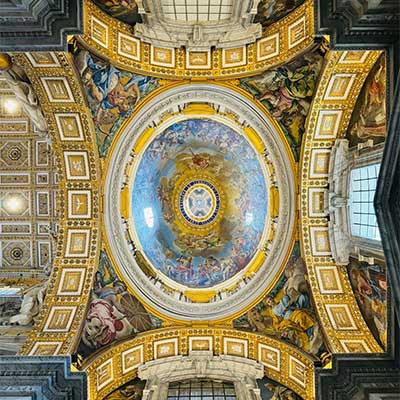
The Vatican Museums
The Vatican Museums are not one simple museum. They are a huge route through galleries, courtyards, halls, collections, and decorated rooms. You will pass ancient sculpture, tapestries, maps, painted ceilings, religious art, and entire rooms that could be museums by themselves.
Do not try to absorb everything. Nobody does. Choose a few things to really notice.
Do not miss the Gallery of Maps, the Gallery of Tapestries, and the Raphael Rooms if they are part of your route and open during your visit.
The Gallery of Maps is one of the most memorable corridors in the Museums. Many visitors rush through it because they are trying to reach the Sistine Chapel, but it deserves attention.
The Raphael Rooms are also important, but they can be crowded. If you care about Renaissance art, slow down here.
The Sistine Chapel
The Sistine Chapel is the emotional center of the Vatican Museums for many visitors.
It is famous for Michelangelo’s ceiling, especially The Creation of Adam, but the chapel is more than one image. The ceiling tells a larger story, and The Last Judgment behind the altar is one of the most powerful works Michelangelo ever created.
Because photos are not allowed, your only real souvenir is attention. Look properly. Stay quiet. Give yourself time.
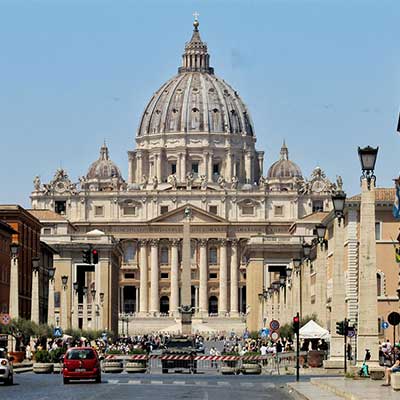
St. Peter’s Basilica
St. Peter’s Basilica is free, but it deserves more than a quick walk-through.
Inside, the scale is almost impossible to understand at first. Everything is larger than it looks: the nave, the columns, the lettering, the chapels, the dome above you.
Do not miss Michelangelo’s Pietà near the entrance. It is one of the most moving sculptures in Rome, and many people almost walk past it because they are overwhelmed by the size of the Basilica.
Bernini’s Baldacchino stands above the papal altar and gives the center of the church its drama. The tombs, chapels, and side spaces add layers to the visit.
St. Peter’s Dome
The Dome climb gives one of the best views in Rome.
You can usually take an elevator part of the way, but you still need to climb a lot of steps. The upper section is narrow and sloping, and it is not for everyone.
If you are comfortable with stairs and tight spaces, it is worth considering. The view over St. Peter’s Square, the Vatican Gardens, and Rome is unforgettable.
Go early if possible, and do not underestimate the energy it takes.
Vatican Gardens
The Vatican Gardens are a quieter side of Vatican City that most visitors never see. You cannot wander in freely. Access is by reservation or guided visit.
If you love gardens, quiet spaces, or unusual Vatican access, it can be worth planning. But for a first-time visitor with limited time, I would prioritize the Museums, Sistine Chapel, Basilica, and maybe the Dome first.
Vatican Post Office
This is a small thing, but people love it.
The Vatican has its own postal system, and you can send a postcard from Vatican City. Look for the Vatican post office or yellow mailboxes around St. Peter’s Square.
It is not the most important thing you will do, but it is a memorable little detail, especially if you like sending something home from your trip.
Common Vatican Mistakes to Avoid
The biggest Vatican mistakes are usually not dramatic. They are small misunderstandings that make the day stressful.
The first mistake is thinking Vatican City, Vatican Museums, Sistine Chapel, and St. Peter’s Basilica are all the same thing. They are connected in people’s minds, but they do not work as one simple ticketed visit.
The second mistake is arriving at the wrong entrance. The Vatican Museums entrance is not the same as the Basilica entrance. Check your ticket and map before you leave your hotel.
The third mistake is booking times too close together. Do not book the Vatican Museums and another major attraction with no breathing room. The Vatican takes longer than people expect.
The fourth mistake is ignoring the dress code. In summer especially, many visitors dress for heat and forget they are entering sacred places. Shoulders and knees should be covered.
The fifth mistake is bringing too much luggage. A heavy bag makes the visit uncomfortable, and large items may need to be left in the cloakroom.
The sixth mistake is choosing free Sunday without understanding what it means. Free entry can be useful, but it usually means more crowds and less comfort.
The seventh mistake is planning the Vatican after an already exhausting morning. The Museums are long, the Basilica can involve queues, and the Dome climb adds even more physical effort.
The eighth mistake is thinking a “skip-the-line” ticket skips every line. Security checks still exist. Nobody skips security.
The ninth mistake is trying to photograph the Sistine Chapel. Do not do it. The guards will stop you, and it takes away from the moment anyway.
The tenth mistake is not checking official updates. Closures, religious events, schedule changes, and access rules can affect your visit. Always check before you go.
Vatican City FAQs
Do you need a ticket to enter Vatican City?
No. You do not need a ticket to enter Vatican City or walk into St. Peter’s Square. You do need a ticket for the Vatican Museums, which include the Sistine Chapel. St. Peter’s Basilica is free but requires security screening.
Is St. Peter’s Basilica free?
Yes. St. Peter’s Basilica is free to enter. The line outside is usually for security, not tickets. The Dome climb is separate and paid.
Do Vatican Museums tickets include the Sistine Chapel?
Yes. The Sistine Chapel is included in the Vatican Museums route. You do not buy a separate standard ticket just for the Sistine Chapel.
Do Vatican Museums tickets include St. Peter’s Basilica?
Not usually for independent visitors. The Vatican Museums ticket covers the Museums and Sistine Chapel. St. Peter’s Basilica is free but has a separate entrance and security line. Some guided tours may include Basilica access, but always check the details.
Where is the entrance to the Vatican Museums?
The Vatican Museums entrance is on Viale Vaticano. It is not the same entrance as St. Peter’s Basilica. If you have a timed Museums ticket, go directly to the Museums entrance, not to St. Peter’s Square.
What is the Vatican dress code?
Shoulders and knees should be covered. Avoid sleeveless tops, low-cut clothing, mini skirts, shorts above the knee, and hats inside sacred spaces. The rule applies to the Vatican Museums, Sistine Chapel, St. Peter’s Basilica, and Vatican Gardens.
Can you take photos in the Sistine Chapel?
No. Photos and videos are not allowed inside the Sistine Chapel. Guards actively enforce this rule. Photos are allowed in many other parts of the Vatican Museums, usually without flash, but the Sistine Chapel is different.
How long do you need to visit Vatican City?
For the Vatican Museums and Sistine Chapel, allow at least 2.5 to 3 hours. For St. Peter’s Basilica, allow 45 minutes to 1.5 hours depending on the security line and how slowly you visit. Add another 1 to 1.5 hours if you want to climb the Dome. A full Vatican visit can easily take half a day.
What is the best time to visit the Vatican?
Early morning is usually best for St. Peter’s Basilica. For the Vatican Museums, book in advance and choose an early or later slot when possible. Tuesday to Thursday are often better than Saturdays or busy Mondays. In high season, avoid arriving without a plan.
Is the last Sunday free entry worth it?
It depends. It is useful if you are on a tight budget, but it is usually crowded, has shorter hours, and does not offer the calmest experience. If this is your first and only Vatican visit, a normal timed ticket on another day is usually better.
Can you bring bags or luggage to the Vatican Museums?
Small bags are usually fine, but large backpacks, suitcases, and bulky items may need to be left in the cloakroom. Travel light, especially if you plan to continue toward St. Peter’s Basilica afterward.
Should you visit St. Peter’s Basilica before or after the Vatican Museums?
If your Vatican Museums ticket is early, visit the Museums first. If your Museums ticket is later, you can visit St. Peter’s Basilica early in the morning before going to the Museums. Just leave enough time because the entrances are separate.
Is a Vatican guided tour worth it?
A guided tour is worth it if you want context, are visiting for the first time, or feel overwhelmed by large museums. It is not necessary if you prefer moving at your own pace, want to save money, or are happy using an audio guide.
Can you visit Vatican City without a tour?
Yes. You can visit independently. Book the Vatican Museums ticket in advance, understand the separate entrances, follow the dress code, and plan enough time. A tour can help, but it is not required.
What should you not miss in Vatican City?
Do not miss the Vatican Museums, Gallery of Maps, Raphael Rooms, Sistine Chapel, St. Peter’s Basilica, Michelangelo’s Pietà, Bernini’s Baldacchino, and St. Peter’s Dome if you want the view. If you like small memorable details, send a postcard from the Vatican Post Office.
Final Advice Before Visiting Vatican City
The best way to visit Vatican City is not to do everything. It is to understand what you are doing before you arrive.
Know which parts are free and which need tickets. Know that the Vatican Museums and St. Peter’s Basilica are separate. Know that the Sistine Chapel is inside the Museums. Know the dress code. Know where your entrance is. Know that security lines still exist. Know that the visit takes longer than people expect.
The Vatican is one of the most extraordinary places you can visit in Rome, but it rewards preparation. Go with the right expectations, give yourself enough time, and do not treat it like a quick stop between other attractions.
If you plan it properly, Vatican City can be one of the most memorable parts of your trip. If you arrive confused, late, underdressed, or at the wrong entrance, it can become stressful very quickly.
The difference is not luck.
It is knowing how the Vatican actually works before you get there.
Selected posts title
Rome Public Transport: Tickets, Prices and How to Use Them in 2026
Rome’s public transport is cheap compared with many European capitals, but the ticket system causes more confusion than the price itself. The important things to understand are how long each…
Where to Stay on the Amalfi Coast: The Honest Guide
Every travel blog gives you the same answer. Positano. It’s iconic. It’s the postcard. Stay there. I live in Italy. I have watched thousands of people book Positano because every…
Where to Stay in Florence: Best Areas and Local Advice
Choosing where to stay in Florence looks complicated when you open a hotel map. There are dozens of neighborhood names, hundreds of hotels and a huge difference in prices even…